






The REAL History Behind the Polio Vaccine
The science and history of the polio vaccine is written by Dr. Viera Scheibner.
While the polio vaccine is often referred to by those who believe in vaccines as the ultimate example of a vaccine that eradicated a terrible disease that is no longer with us, the science and history of this vaccine tell a vastly different story.
From Dr. Scheibner’s research in this article, we can clearly see certain facts in the history of polio vaccination:
1. There has been more than one type of polio vaccine through its history, due to the fact that earlier versions were found to be ineffective and harmful.
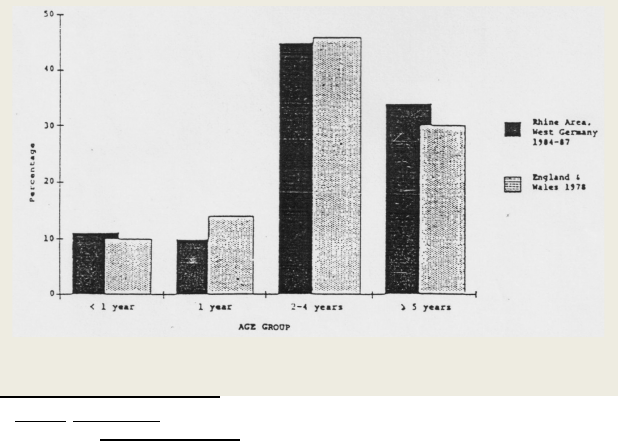
2. The occurrence of polio was trending downward prior to the introduction of polio vaccines.
3. The reported effectiveness accredited to polio vaccines can actually be easily accounted for by data manipulation and not actual decreases of occurrence.
4. The history of the polio vaccine is a history of contamination of the vaccines responsible for the injury and deaths of countless people.








History and Science Show Vaccines Do Not Prevent Disease
In the vaccine debate currently raging in modern society, seldom, if ever, is the basic presupposition that vaccines prevent diseases ever questioned. It is assumed by the government and the medical system that this presupposition is a scientific fact. Without this presupposed “fact”, the justification to force people to receive vaccinations completely falls apart. The acceptance of sacrificing certain children and others due to vaccine harm for “the greater good” also loses its justification, if vaccines actually do not prevent disease. So it is easy to see why those who profit from vaccines, which includes both the manufacturer and the U.S. government, do not want to debate this issue.
What is the actual history and science behind this belief in vaccines? Dr. Viera Scheibner has done everyone a favor in critiquing the current scientific rationale for such a belief, taking a comprehensive look at history and peer-reviewed studies on the subject. We have extracted the relevant information regarding the history and science of vaccines, so that the comprehensive report by Dr. Scheibner can be used by anyone interested in the topic. This is the research you want to print out and give to your doctor if they are uneducated on the facts and science of vaccines. If you are involved in a lawsuit over refusing mandatory vaccines, you will want to give this to your attorney who can enter the information into the court record and start educating judges.



Saturated Fat is not the Culprit in Heart Disease
Can we jettison misguided and dangerous recommendations on fat and heart disease – please?
It’s not often that the mainstream media notices an academic meta-analysis, or study of studies – particularly if it goes against the tide of prevailing dietary advice. But that’s what happened with a recent Australian study, published in the British Medical Journal (BMJ).
The BMJ paper was an update of a previous meta-analysis by the same investigators, looking at the consequences for cardiovascular health of replacing dietary saturated fats (i.e. butter) with polyunsaturated, omega-6 fatty acids (PUFAs). This time around, the group reassessed the results of the Sydney Diet Heart Study (SDHS), a randomized, controlled trial involving 458 patients that compared the rates of cardiovascular disease among subjects who increased the amount of omega-6 PUFAs – specifically, linoleic acid from safflower oil – in their diet with patients who continued their normal diet. As well as reanalyzing the results, the investigators incorporated them into their previous meta-analysis.
The SDHS results were clear: replacing dietary saturated fats with omega-6 PUFAs increased all-cause mortality, cardiovascular mortality and mortality from coronary heart disease.












Who is Going to Listen to Your Complaint?
Do you feel all alone today? Do people treat you unfairly? Do you feel like no one is interested in any of your problems and that there seems no way out of your difficult circumstances? Who can you complain to?
The Creator of the universe and the one who knit you together in your mother’s womb, and the one who loves you with an unfailing love is the one who is always available, and has plenty of time to listen to everything you have to say.
Are you taking advantage of this incredible opportunity that you have right now, at this very moment, to talk to and pour out your soul to the one who knows you and loves you more than anyone else in the universe?
I am sure that God is so sad when he sees you struggling, and you don’t even take a moment of your day to come to him with your problems.