




News regarding the dangers of GMOs and biotech, and the advantages of organic sustainable agriculture.

Monsanto Not Only Problem Facing Bayer: Investors Question Ethics in Selling Banned Pesticides in Brazil
Bayer CEO Werner Baumann recently lost a crucial confidence vote as investors questioned his handling of the $63 billion Monsanto deal and the wave of US lawsuits that followed. In what Bloomberg called "a stunning development for the German drugs and chemicals company", about 55 percent of shareholders voted against absolving Baumann and other managers of responsibility for their actions in the takeover last year. The vote threw Baumann's future into question and prompted an immediate supervisory board session. While much of the investor unrest undoubtedly focuses on financial liability, strong concerns are being raised about Bayer's ethics. At Bayer's annual general meeting, Christian Russau from the umbrella organization, the Critical Shareholders, made a speech in which he launched a scathing attack on the company for its "double standards". According to Russau, Bayer sells pesticides in Brazil that are banned in the EU. Russau said he feared that companies such as Bayer will continue to participate, perhaps more than ever, in the sale and distribution of highly toxic agrochemicals in Brazil. As a survival tactic in the face of Monsanto's multi-billion dollar acquisition, Bayer will go for growth at any price. Any poison which can be sold will be sold.
Study: Glyphosate Causes Multi-Generational Increases in Prostate, Ovarian and Kidney Disease
Washington State University (WSU) researchers have found a variety of diseases and other health problems in the second- and third-generation offspring of rats exposed to glyphosate, the world’s most used weed killer. In the first study of its kind, the researchers saw descendants of exposed rats developing prostate, kidney and ovarian diseases, obesity and birth abnormalities.
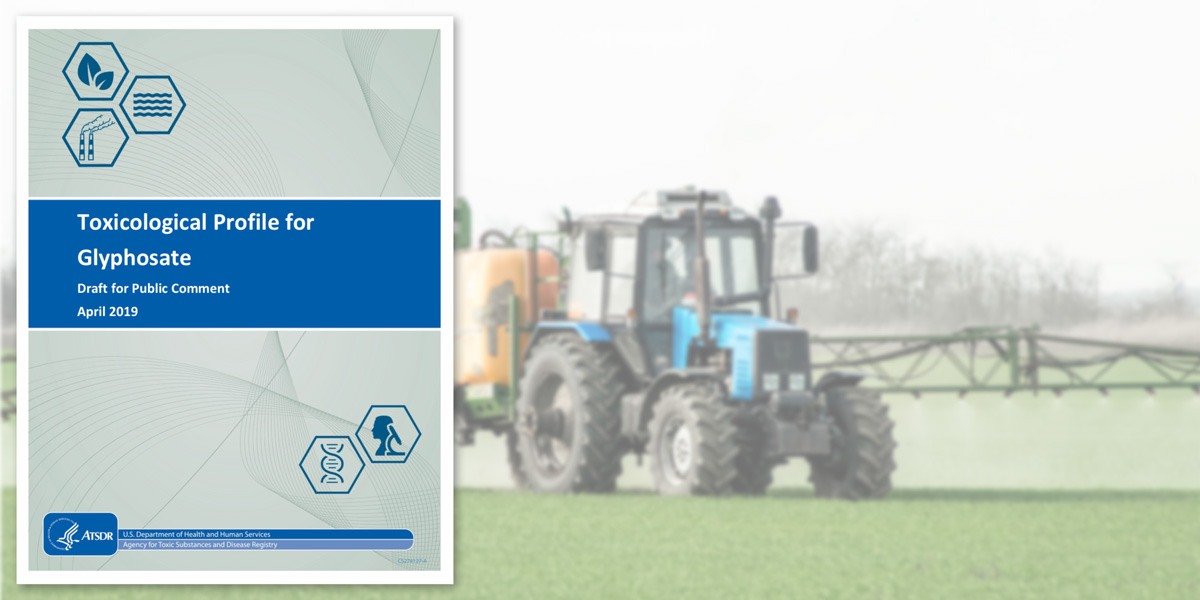
Links to Cancer Shown in US Federal Draft Report on Glyphosate Herbicide
A draft US federal report has confirmed links between glyphosate, the active ingredient in Roundup weedkiller, and some forms of cancer. The report could have a damaging impact on Bayer/Monsanto’s attempt to defend the large number of legal cases involving its weedkiller. On April 8, the Agency for Toxic Substances and Disease Registry (ATSDR), which is tied to the Centers for Disease Control and Prevention (CDC) and is part of the US Department of Health and Human Services, released its long-awaited draft toxicological report on glyphosate. It had been delayed for over three years, allegedly thanks to the efforts of Monsanto and a group of high-ranking officials within the US Environmental Protection Agency (EPA). The ATSDR documented a range of concerns about glyphosate. But most worryingly for Bayer/Monsanto, just like the World Health Organisation's cancer agency IARC, it identified evidence for a link between glyphosate and non-Hodgkin's lymphoma.
Jury Slams Monsanto for Corporate Malfeasance in Roundup Cancer Trial, Awards $80 Million in Damages
Today, a second jury in less that 8 months found Bayer-Monsanto’s signature weedkiller Roundup responsible for causing cancer. The verdict in the case Hardeman v. Monsanto before a federal district court in San Francisco found exposure to glyphosate, the signature ingredient in Roundup, caused plaintiff Edward Hardeman’s non-Hodgkin lymphoma. Jurors awarded $80 million in damages to Hardeman. “Clearly, the testimony that informed the jury’s decision was Bayer-Monsanto hiding Roundup’s carcinogenic properties, manipulating the science and cozying-up with EPA so it would not have to warn consumers of its dangerous product,” said EWG President Ken Cook. “Bayer-Monsanto has known for decades the cancer-causing properties of Roundup and I applaud the jury for holding the company accountable for failing to warn consumers of the known danger. This verdict puts Bayer’s back firmly up against the wall as the cost of litigation mounts and its stock price gets pummeled once again,” said Cook.
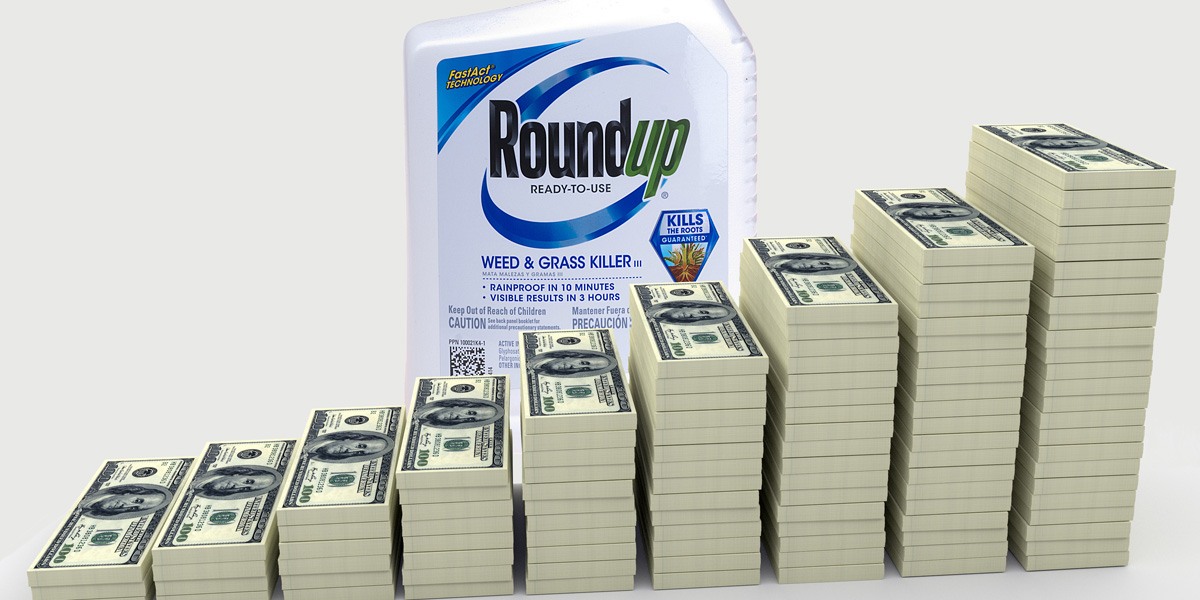
Bayer Loses Billions as 2nd Jury Determines RoundUp Weed Killer Causes Cancer
Bayer AG has suffered its second major legal defeat after purchasing Monsanto Co. and inheriting its controversial herbicide, RoundUp, the world's most popular weedkiller. The active ingredient in RoundUp, glyphosate, has been linked to cancer and other health problems, while Bayer and Monsanto, along with the U.S. EPA (Environmental Protection Agency) have denied any links. Earlier this week, a second jury in California has determined that a man who sprayed RoundUp on his property for decades is responsible for his non-Hodgkin’s lymphoma. This recent defeat in court now opens up the door to another 11,200 cases pending against Bayer for harm allegedly caused by glyphosate. Settling these cases could cost Bayer billions more. Meanwhile, the evidence for harm caused by glyphosate continues to pile up. A study just published in The BMJ links pesticides and herbicides, including the widely used glyphosate, during prenatal and infant exposure to an increased rate of autism. The study was conducted in the Central Valley of California, home to the world's largest agricultural area.
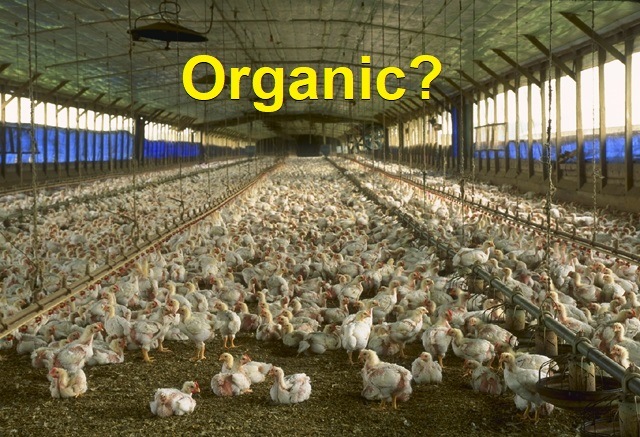
We Can No Longer Rely on USDA Organic Standards
The USDA’s organics program has been taken over by corporate interests; it’s time to fight back. Consumers looking for clean, healthy food have for years turned to foods with the USDA’s organic seal. This seal is understood to mean that the food has been grown in accordance with organic principles—most importantly, that the farming practices promote healthy soil, which in turn produces healthy food. Unfortunately, corporate influence has infected the USDA’s organic program to such an extent that it can be difficult to trust the organic seal. Concentrated animal feeding operations (CAFOs) have taken over organic eggs and dairy. According to organic standards, livestock are supposed to have access to the outdoors, fresh air, and sunlight. But these provisions have been interpreted in such a way as to allow CAFOs to confine animals to barns but add “porches”—a roof built over a concrete floor with screens as walls—and still label their livestock as “organic.” This allows CAFOs to continue to raise millions of chickens or livestock on the cheap in cramped, squalid conditions but charge the organic premium. The USDA estimates that half of all organic eggs come from CAFOs.

FREE Online Homegrown Food Summit Teaches you how to Grow All Your Own Food & Medicine
Get Your FREE TICKET and Watch From Home As 36 Expert-Led Presentations Reveal The BEST SECRETS for Growing All Your Own Food & Medicine! Starting Monday, March 18th until Sunday, March 24th The Homegrown Food Summit will stream LIVE every night, and registration is FREE! 36 presentations from leading experts will help you become free of supermarkets and drugstores!
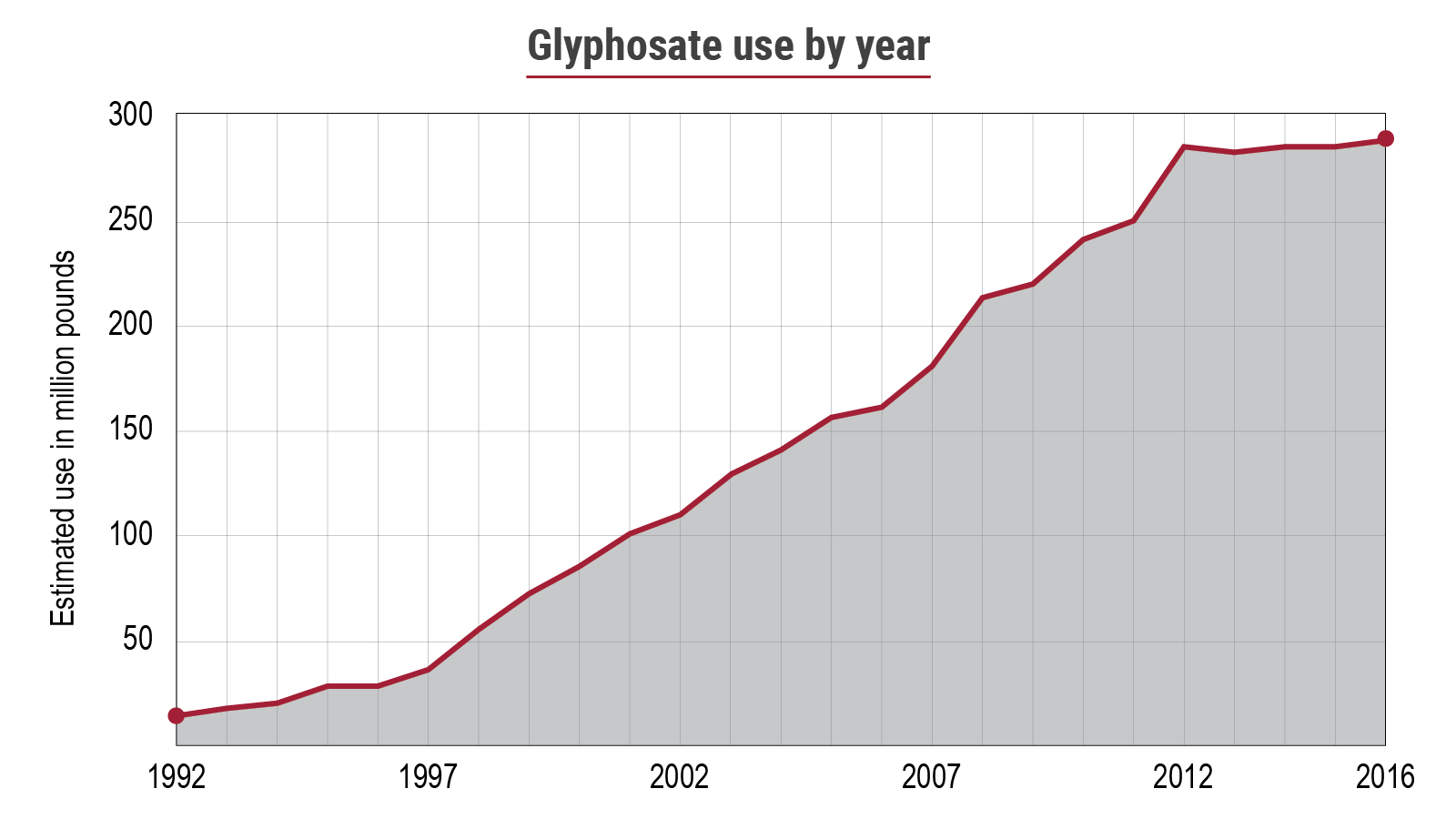
As Federal Government Refuses to Ban Glyphosate Local Municipalities are Taking Action to Protect Citizens
Our federal health and environmental agencies, like the EPA, have failed to protect the environment from glyphosate pollution. The result is many humans are contaminated with glyphosate. Monsanto’s herbicide Roundup's active ingredient is glyphosate with added chemicals to enhance its ability to penetrate plant tissue. These added chemicals are also toxic, creating a synergistic load beyond glyphosate’s toxicity. Despite Monsanto’s assertions the Roundup is bound by topsoil and does not threaten groundwater, independent scientific research has discovered it seeps into groundwater and nearby waterways. Its penetrating capacity has also been discovered to penetrate animal and human cells. Some municipalities have recently responded to glyphosate’s water pollution by banning the use of herbicides containing glyphosate.

Judge in Monsanto Roundup Trial is Already Hindering Testimony
A high-stakes federal trial kicked off in California involving a man diagnosed with non-Hodgkin lymphoma who is seeking compensation from Monsanto/Bayer because, he claims, its weedkiller Roundup caused his cancer. Even before the trial started, the judge’s behaviour was already making waves, prompting Robert Howard to write [an] article, warning that Judge Vincent Chhabria was “already hindering testimony”. Howard was one of the jurors who back in August of last year, at the culmination of the first case brought against Monsanto – a state rather than a federal case – ordered the company to pay $289 million in damages for having acted with “malice” in hiding the dangers of Roundup. Howard, however, probably never guessed the degree to which Judge Chhabria would hinder testimony once the actual trial got underway, leading to the Guardian headline Monsanto: judge threatens to 'shut down' cancer patient's lawyer.

Most Beers and Wines Tested are Contaminated with Glyphosate
Most of us take it for granted that the food and drinks we buy from the store are not putting our health at risk. However, new research from public health groups and scientists from the past several years indicates that food and drinks are contaminated with glyphosate, the main ingredient in the weed killer Roundup. This is a potential health problem because in 2015 the World Health Organization found that glyphosate is a probable carcinogen, and in 2017, the state of California agreed. To explore how much Roundup we’re drinking, U.S. PIRG tested beer and wine for glyphosate/Roundup. As we’ve confirmed in this study, Roundup is found in beer and wine (including organic).

100 Percent of Oat Products Tested Positive for Weedkiller Glyphosate
Oat-based foods, such as oatmeal, cereals and bread, are considered by many to be a healthy dietary addition, but if you eat such foods know that you’re probably getting herbicide residues along with them. In testing done by Friends of the Earth (FOE), 100 percent of oat cereal samples tested positive for residues of glyphosate, the active ingredient in Roundup herbicide.
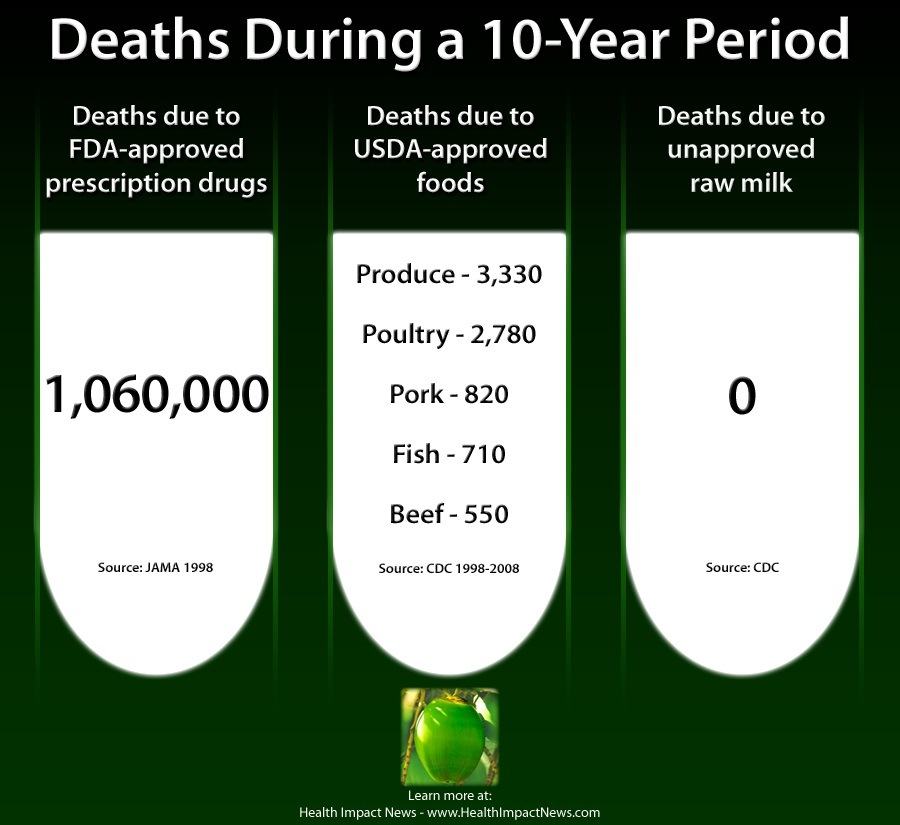
Brucella Infection Outbreak Blamed on Raw Milk Producers Turns out to be Caused by Brucella Vaccine in Commercial Dairies
Recent headlines about a Brucella outbreak in 19 states blamed raw milk dairies. But one raw milk dairy in Pennsylvania has sent out an email update to its customers explaining that the Brucella outbreak is actually "an antibiotic resistant, modified live strain of Brucella that veterinarians give to cows as a vaccination." The farm in this brucellosis case was not even licensed or permitted for raw milk sales. Raw milk producers that are allowed to produce raw milk legally in some states (many states do not allow it all), must pass much more stringent sanitary inspections than even commercial dairies. As we have reported for many years here at Health Impact News, conscientious dairy farmers who choose to market a high-end product directly to the consumer are a threat to the subsidized commercial dairy industry. These brave farmers have endured a lot of persecution from government regulatory bodies who try to shut them down, and deny consumers access to a healthier, and safer, dairy product. Here is the letter from Pennsylvania farmer Edwin Shank setting the record straight on this most recent attack against raw milk dairy farmers.
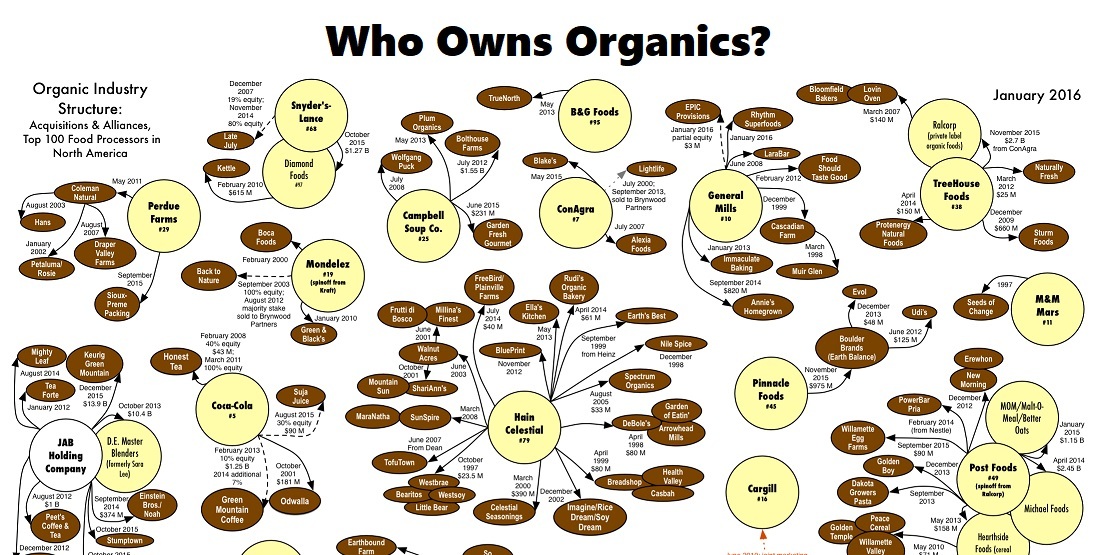
America’s Fraudulent Organics Industry: 40% of All Organic Food Tested Positive for Prohibited Pesticides
A Missouri farmer has been charged with ripping off food companies and consumers by falsely marketing more than $140 million worth of corn, soybeans, and wheat as organic. Observers have called the scale of this fraud “jaw dropping” and likely the largest case of its kind involving US farmers. The level of deception in the organic industry has reached epidemic proportions: a USDA study found that 40% of all organic food sold in the US tested positive for prohibited pesticides. This is an outrage, but the USDA shows no signs of deviating from business as usual.
Judge Rules Monsanto’s Attempts to Ghostwrite Studies and Influence Findings of Scientists and Regulators to be Allowed in Court
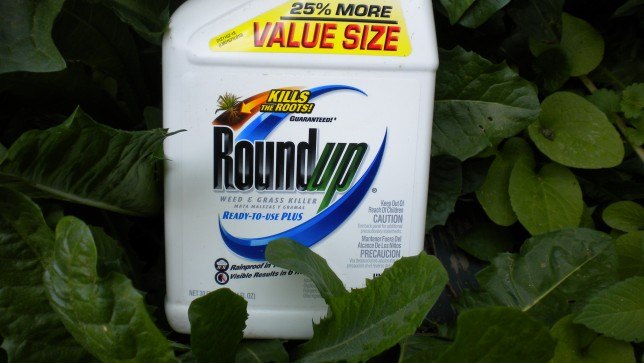
A federal judge overseeing lawsuits alleging Bayer AG's glyphosate-based Roundup weed killer causes cancer on Monday tentatively allowed pieces of controversial evidence that the company had hoped to exclude from upcoming trials. The company denies allegations that glyphosate causes cancer and says decades of independent studies have shown the chemical to be safe for human use. Chhabria on Monday said plaintiffs could introduce some evidence of Monsanto's alleged attempts to ghostwrite studies and influence the findings of scientists and regulators during the first phase of upcoming trials. He said documents which showed the company taking a position on the science or a study introduced during the first phase were "super relevant."

New USDA “Mandatory” GMO Labeling Rule Allows Loopholes to Let Companies Hide GMO Ingredients
The USDA has released its final GMO labeling rule, and it’s not good. As we feared when the agency released its proposal earlier this year, the so-called GMO labeling law will apply only to a narrow set of foods. Congress and the USDA have offered a number of loopholes and exemptions to food companies, undermining any semblance of a consumer’s right to know. It’s as if the USDA asked the food industry to write the rule themselves.
French Court Cancels Monsanto Weedkiller Permit on Safety Grounds
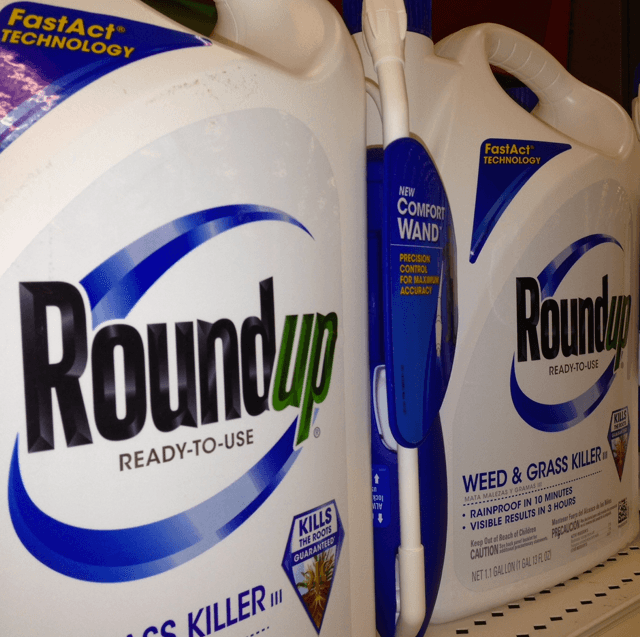
A French court cancelled the licence for one of Monsanto’s glyphosate-based weedkillers on Tuesday over safety concerns, placing an immediate ban on Roundup Pro 360 in the latest legal blow to the Bayer-owned business. A court in Lyon in southeast France ruled that the approval granted by French environment agency ANSES in 2017 for Roundup Pro 360 had failed to take into account potential health risks.
Report: Costco to Stop Selling Glyphosate-based Roundup Weed Killer
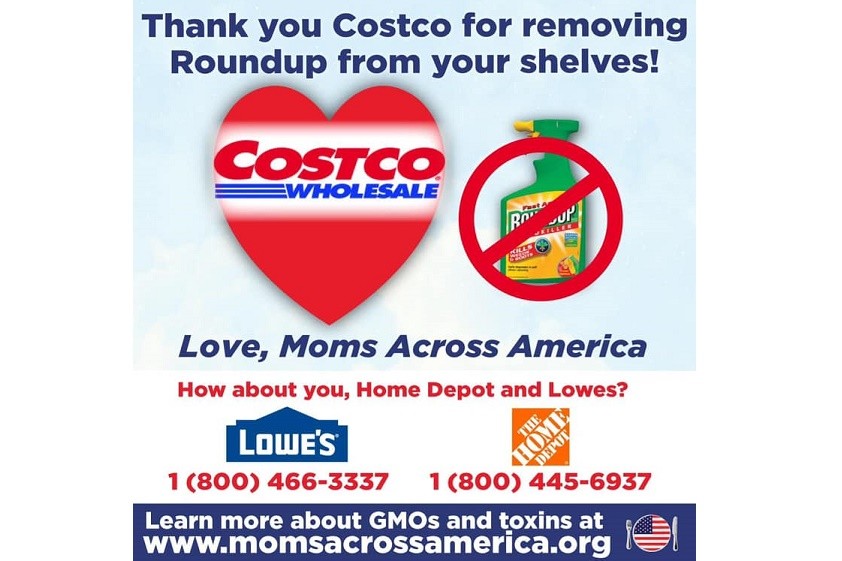
Zen Honeycutt, the leader of Moms Across America, announced this week that Costco will not be selling the glyphosate-based weed killer Roundup Ready. In a live video update posted on Facebook, Honeycutt stated that she received word that Costco was no longer selling Roundup or glyphosate-based herbicides. While she has reportedly not received any official word yet from Costco, she stated that she has talked to various people at the headquarters and various regional offices to confirm this news. Honeycutt stated that based on the recent lawsuit against Monsanto in 2018, where a jury awarded damages to a man with terminal cancer resulting from exposure to glyphosate, Costco had decided to stop carrying the product. Moms Across America also sponsored a petition on Change.org that received over 89,000 signatures asking Costco, Lowes, and Home Depot to stop selling Roundup. It is hoped that Home Depot and Lowes will now follow Costco's example.
After 80 Years, Hemp, the Non-psychoactive Cousin of Marijuana, is Legal Again in the U.S.
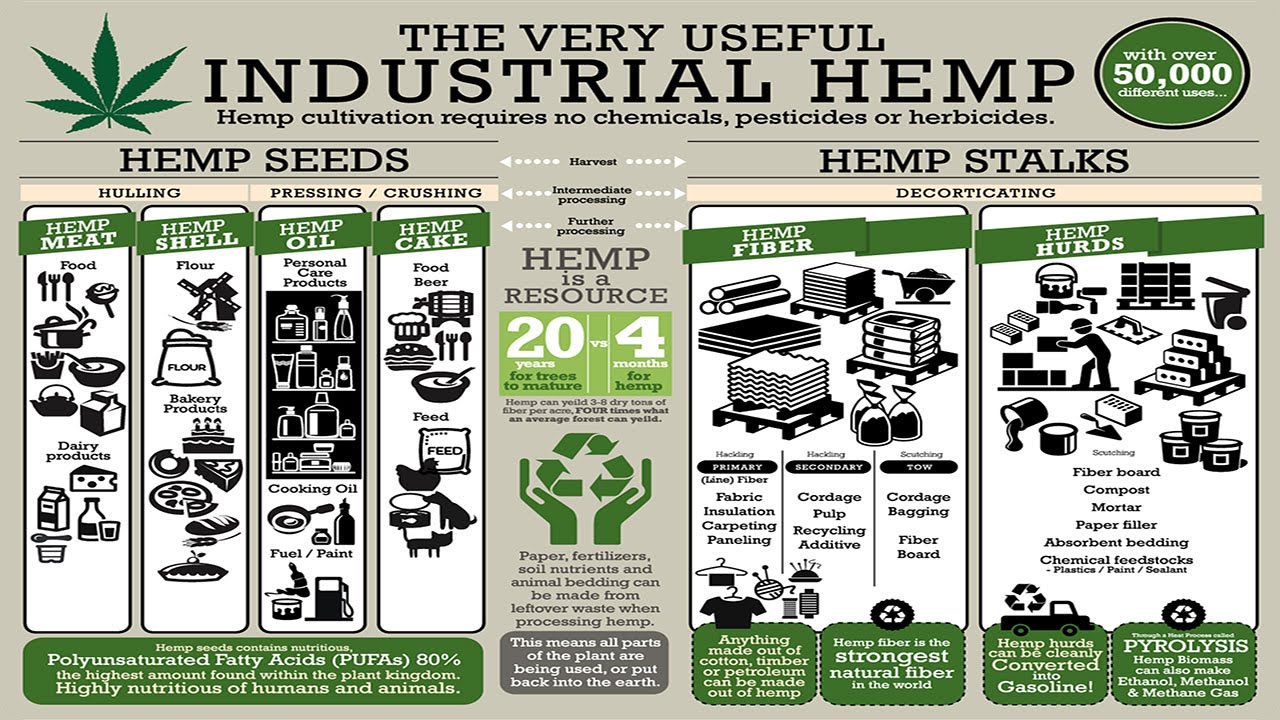
United States’ hemp agriculture has been given the “green light” in the 2019 Farm Bill. President Trump signed the 2019 Farm Bill that was passed by both the Senate, with an 87 to 13 vote, while the House voted it into law with a 369 to 47 count. President Trump signed it into law on December 20th, 2018. It includes a clause that legalizes hemp agriculture throughout the entire United States. What had been a valued commodity for thousands of years among varied cultures, including America until immediately after WWII, has been a viable cash crop denied to American farmers, till now. Even though many of our U.S. founding fathers grew hemp as an agricultural product in the 1700s, it has been illegal to grow in the U.S. for over 80 years. From circa 1960 to now, hemp advocates have been constantly campaigning to bring hemp agriculture and hemp products back into open commerce. Hemp advocates have tended to promote the superiority of many hemp products over ecologically-destructive material sources for paper, clothing, plastics, and even building materials. But it appears that what has finally swayed the nation’s lawmakers was the fact that many farmers need this agricultural option to improve their lot for a variety of reasons.
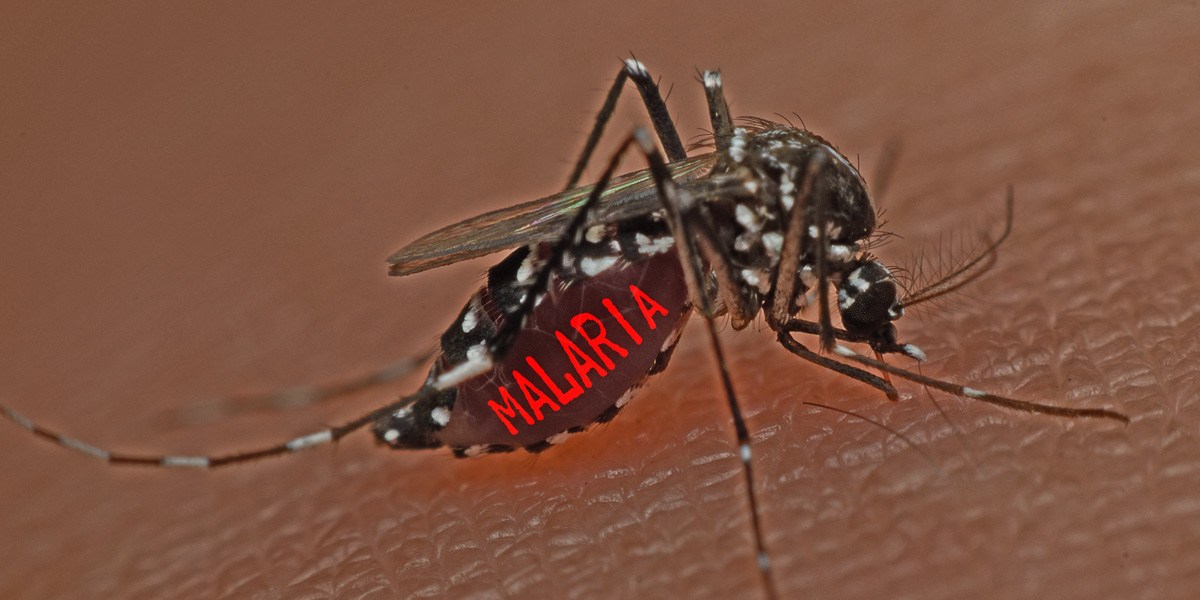
Africans Paid 69 Cents an Hour to be Bitten in GMO Mosquito Trial
Under the headline, Malaria trial pays Africans to be bitten, The Times of London reports that human “guinea pigs” in the West African state of Burkina Faso are being paid to expose themselves to mosquitoes that could potentially carry malaria or other diseases. Although the Bill & Melinda Gates Foundation has invested $70 million in the project, The Times reports that about 25 African “volunteers” in the village of Bana are being paid just 69 cents (£0.55) an hour to expose their legs for six hours a night to all mosquitoes in their local environment, as part of a GMO mosquito trial. The villagers taking part have been given information sheets warning them that they could be bitten by a mosquito and be “infected by malaria or another sickness transmitted by the mosquito”. According to The Times, for each six-hour shift, between dawn and dusk when the insects are most active, the villagers are paid just $4.17 (£3.30) a night “to compensate for fatigue and time given”. As part of this, they are expected to try and capture the mosquitoes that come to bite them. The information sheet also says they will be tested regularly for malaria.

Banned for Use in War, But OK for Our Crops
Researchers who recently examined studies sponsored by Dow Chemical and used by the EPA to approve chlorpyrifos, a type of insecticide, found inaccuracies in what the company reported to the agency. A memo sent to EPA management said that “The study was graded unacceptable due to an inadequate presentation of the statistical data analysis.” Some research has linked the pesticides to autism and other brain disorders. There’s also evidence to suggest that some children are more vulnerable to the chemicals than others due to their genetic makeup. These health effects should come as no surprise when we consider that chlorpyrifos were developed as a nerve gas during World War II by the Nazis, though they weren’t used in battle. Chemical weapons were prohibited by the Geneva Convention after WWI—so the chemical is too inhumane to use in war, but A-OK for our food, according to the government’s thinking.