














Can You Trust Your Doctor’s Advice on Coconut Oil?
We hear story after story of people reading about the health benefits of coconut oil, and even wanting to incorporate it into their diet, but then they consult with their doctor who tells them negative things about coconut oil. Are doctors really educated about coconut oil?

American Medical Revolutions: How the AMA Took Over America
About 170 years ago our ancestors forced the repeal of licensing laws which had created a monopoly over the practice of medicine for orthodox physicians. Ordinary people, farmers, artisans, tradesmen and others got together and forced politicians to act on their behalf. They were tired of bloodletting, and harsh medications like mercury compounds that ruined their teeth and weakened their bodies. They opted for kinder and gentler alternatives with lower casualty rates, particularly the newly introduced homeopathy. They were impressed that tiny doses of medicine were able to cure cholera much better than the massive doses used by orthodox physicians.
Today physicians who practice alternative medicine, in competition with regular physicians, are subject to harassment. In the state of Washington about 30% of them are being harassed at this time. Those who make substantial advancements in medical science often find the Federal Government moving against them. The FDA and FTC have used taxpayer money to suppress new technology in a number of cases.
The purpose of the new licensing laws was to protect the public but, in fact, monopolized medical care, according to reports, has been killing over 200,000 of us every year and promises to bankrupt the country. These laws are used to prevent free public access to less lethal, more effective and less expensive therapies. As Daniel Haley so eloquently wrote, in Politics in Healing, “we don’t need government protection from things that can’t hurt us”.
Medical science should be a search for the truth and many medical scientists have spent their lives in this search. Unfortunately scientific medicine, as practiced by the medical monopoly during the last century, has rejected the discoveries of a number of medical scientists. Too many promising technologies have been consigned to the dust bin of history. As a result, medical services are much more expensive than they should be and lower in quality than they could be. Less suppression and more competition can make people healthier at lower cost.
One hundred years of suppression of advancements in medical science is enough! It is time for another “American Medical Revolution.”



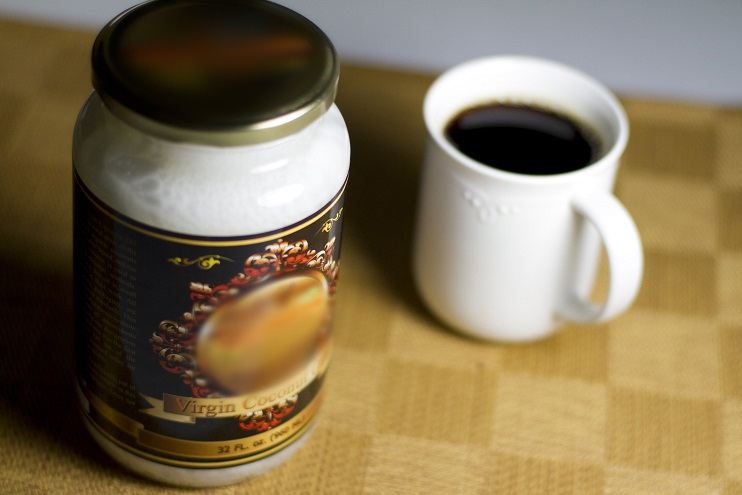
Nutritionist Recommends Adding Coconut Oil to Your Coffee or Tea
We started to add coconut oil in our tea in the morning for added fat for fuel.
In my practice, I have seen coconut oil support everything from eczema to fat loss to thyroid support. Some cultures call the coconut a “functional food” due to the healing capabilities. The saturated fat in coconut is considered a medium-chain fatty acids, which is the fat that is found in breast milk for brain and nervous system development.



Coconut Oil Hair Benefits: How to Use Coconut Oil for Natural Hair Health
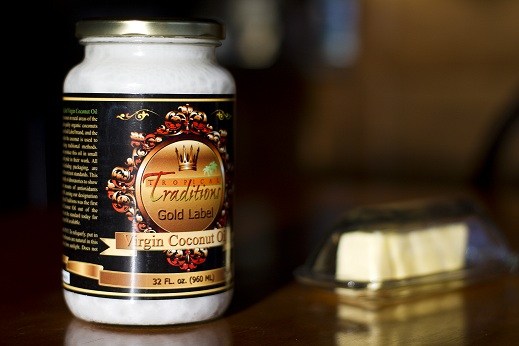
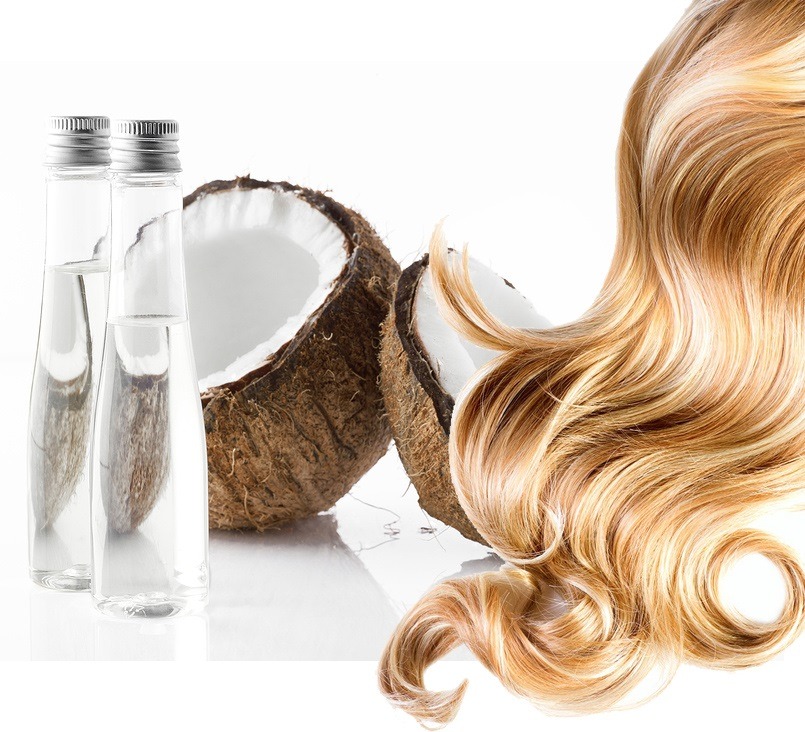
Did you know that coconut oil is one of the most beneficial things you can put on your hair and scalp? In India, a whole coconut oil industry has survived in recent years among the anti-saturated fat/coconut oil propaganda almost entirely for one application: the conditioning of hair. This is the number one reason why people in India buy coconut oil today, to condition and nurture their hair.
Studies in India have been done on how effective various oils are on treating damaged hair. Coconut oil, being a high in lauric acid (principal fatty acid), has a high affinity for hair proteins and, because of its low molecular weight and straight linear chain, is one of the only oils able to penetrate inside the hair shaft.













Heart Surgeon Admits He was Wrong About Low Fat Diet and Heart Disease
We physicians with all our training, knowledge and authority often acquire a rather large ego that tends to make it difficult to admit we are wrong. So, here it is. I freely admit to being wrong. As a heart surgeon with 25 years experience, having performed over 5,000 open-heart surgeries, today is my day to right the wrong with medical and scientific fact.
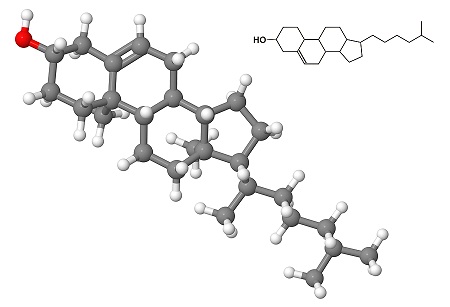
I trained for many years with other prominent physicians labelled “opinion makers.” Bombarded with scientific literature, continually attending education seminars, we opinion makers insisted heart disease resulted from the simple fact of elevated blood cholesterol.
The only accepted therapy was prescribing medications to lower cholesterol and a diet that severely restricted fat intake. The latter of course we insisted would lower cholesterol and heart disease. Deviations from these recommendations were considered heresy and could quite possibly result in malpractice.
These recommendations are no longer scientifically or morally defensible. The long-established dietary recommendations have created epidemics of obesity and diabetes, the consequences of which dwarf any historical plague in terms of mortality, human suffering and dire economic consequences.
Despite the fact that 25% of the population takes expensive statin medications and despite the fact we have reduced the fat content of our diets, more Americans will die this year of heart disease than ever before.

Our Need for “Daily Bread”
“Give us today our daily bread.” (Mat 6:11) These famous words are recorded in what is known as “The Lord’s Prayer” and are part of a “model prayer” that Jesus gave to his disciples instructing them how to pray. “Bread” in the Bible and in the Middle East represented life itself, as grains used to make bread were the staple food. Therefore the meaning of “bread” in this verse represents all food needed daily to sustain us. When we pray this prayer, we are acknowledging that all sustenance comes from God, and that we are dependent upon him to give it to us every day.


The Truth About Coconut Palm Sugar: The Other Side of the Story!
Coconut palm sugar is the latest coconut product to gain popularity, and its place in the market is expanding rapidly.
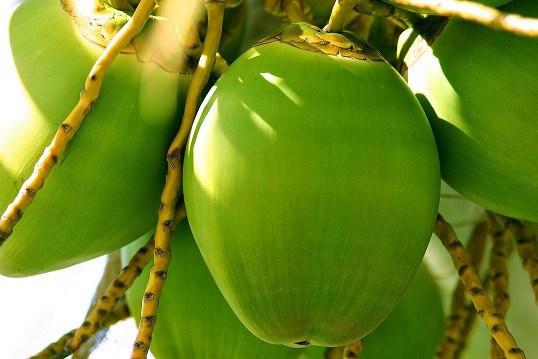
As retailers in the U.S. and elsewhere also cash in on this new demand, sadly, the other side of the story is not being told. What no one is warning consumers about is that coconut palm trees cannot produce both coconuts and coconut palm sugar! When the sap used to make coconut palm sugar is collected from the coconut palm tree, from the flower bud that will eventually form a coconut, that tree can no longer produce coconuts! Think about that for a minute. No coconuts = no coconut oil, no dried coconut, no coconut flour. Is coconut sugar worth giving up these other valued products that come from the coconut??
Coconut palm sugar is NOT a traditional product. The traditional product that has been produced from coconut sap, usually from trees that no longer effectively produce good coconuts, has been “lambanog” – a hard liquor similar to vodka. Since coconut palm sugar is a new product in the market, the health claims that are made are unsupported by any neutral third-party sources. If you search in PubMed, for example, you will not find any research articles on this product. It’s short history in the market has a lot of similarities to agave, the sap from the cactus plant that traditionally was used to make Tequila, and not syrup, and is not a natural or traditional product all, but a highly processed one.