




News regarding traditional wisdom and native diets regarding nutrition.

How Long did YOUR Ancestors Live While Eating BACON, LARD, & WHOLE MILK?
My Great-Grandma was a tough ol’ chick. She ate real, traditional food; could cook up fried chicken from scratch. When I say “from scratch” I literally mean “from scratch”. As in, she would kill a chicken, dress it, coat it with flour, and fry that baby up in a big ‘ol frying pan of lard. She was an amazing woman, my great-grandma. That woman wasn’t afraid of anything. She’d sleep out in the dark woods with hungry bears if you dared her to. She was that tough. Our ancestors didn’t worry about heart disease, cancer or diabetes. They didn’t fear Alzheimer’s or Parkinson’s disease. These diseases were so incredibly rare before the 1900s, that they didn’t need scientists to solve any mystery. There was no mystery! Our ancestors simply ate food – real food, and were nourished. Sure, there was illness and life was not perfect. But chronic degenerative diseases rates were incredibly low. The leading cause of death before 1900 was one of four things: infancy death, death from childbirth, death from infections, & death from accidents. Today, the leading causes of death are heart disease & cancer. Clearly, there’s something we need to change.
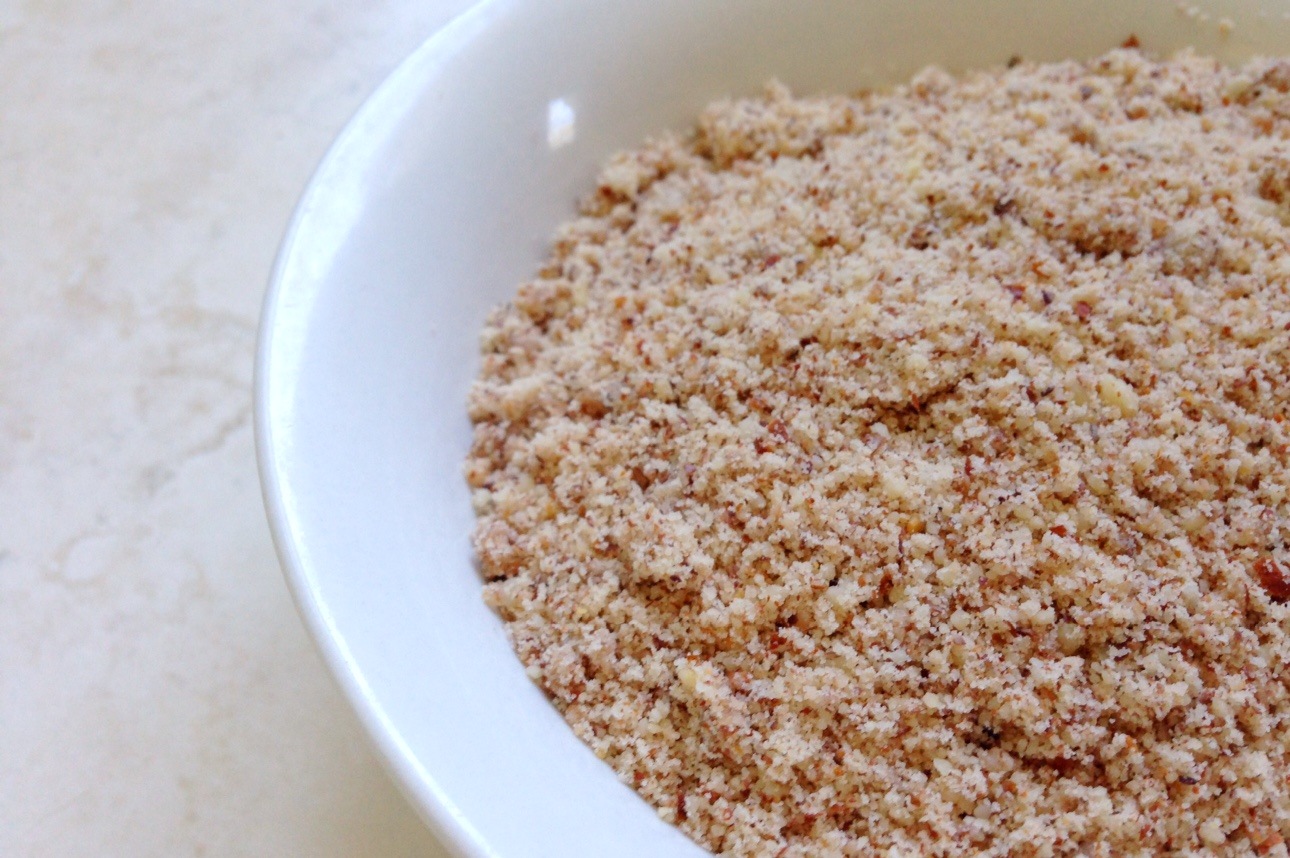
How to Use Coconut and Almond Flour Together in Gluten Free Baking
As gluten free diets have gained in popularity, almond and coconut flours have become trusty staples in many gluten free pantries. While coconut flour is the fiber from coconut meat after nearly all the oil has been extracted, almond “flour” is really just almonds ground up into a fine meal, and is also marketed under the name “almond meal”. Considering how mild, pleasant and versatile almond flour is in terms of taste and texture, it has become a very valuable addition to any baking pantry, gluten free or not. Read more to find out how to use these two gluten free flours together, and how to easily make your own almond flour.
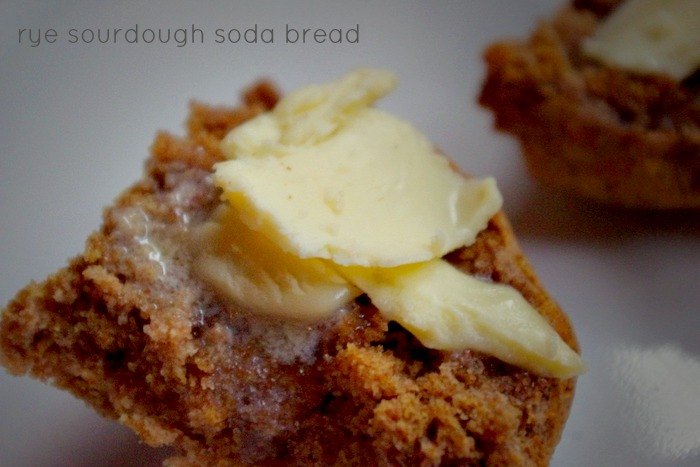
Sourdough: A Traditional Way to Prepare Grains
Traditional foods are those that have been eaten for generations by those who have eschewed modern industrialized foods. They have stood the test of time, producing generations of vibrant parents and vigorous children who have lived without the modern degenerative diseases so prevalent in our western world. And so, when we seek out a traditional foods diet for both health and the sustainability of our food system, we must ask ourselves where certain foods fit into this picture. How were they prepared before industrialization? Do they have a place in history? Over the past decade, bread has taken a beating in the health food arena, and for good reason. Most bread made today is devoid of many of the characteristics of traditional bread. Sourdough bread is slow bread, traditional bread, and bread with a depth of flavor that cannot be imitated.

Repairing your Microbiome: Making Kefir at Home
Cultured dairy is a traditional food in many cultures. When refrigeration isn’t available fresh milk can only keep for a couple of days before it spontaneously cultures, as in sour or clabbered milk. Adding a starter culture – be it from a previous batch or other source – has long been the method of creating consistent flavors and textures in ones cultured milk. Milk kefir is one of these cultures. Thought to originate in the Caucuses Mountains, this culture is added to fresh milk and allowed to culture for 12-24 hours, sometimes even longer, and results in a tangy, flavorful milk with the consistency of a pourable yogurt. Milk kefir has many health benefits, and can be made at home.
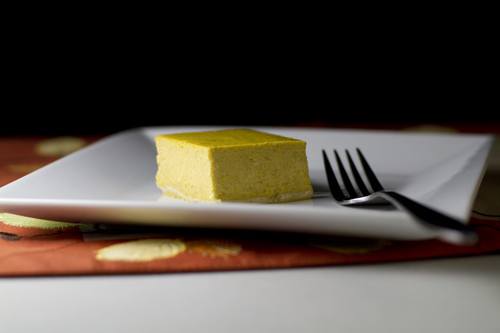
How to Make a Gluten Free Cheesecake
Cheesecakes are a classic dessert, with many different flavor variations and types. For those on a gluten free diet, finding a 100% gluten free cheesecake recipe that doesn’t skimp on flavor or texture, and still blows you away, can be a bit of a challenge. Many popular cheesecakes like the New York style use a bit of flour in the filling, and the classic graham crust is hard to replace. Even though gluten free grahams are available to purchase, they are loaded with highly processed ingredients and are better off not being touched. Meanwhile, the alternative, making them yourself, is extremely time consuming. There is however, a very easy solution: make a shortbread crust and nix the gluten flours. Shortbread crusts are light, buttery, very quick and easy to make, and compliment any flavor of cheesecake. Here’s how you make one.

Simple Fermented Carrot Sticks and the Two Types of Fermented Vegetables
Most of us are familiar with sauerkraut, kimchi, and cucumber pickles as forms of fermented vegetables. Or we are, at the very least familiar with the store-bought vinegar-brined modern day versions of what once were lactic acid fermented vegetables. But you can ferment just about any vegetable, turning it into a lively probiotic-rich snack, condiment, or enzymatic addition to your meals. Here is a simple recipe you can make at home for fermented carrot sticks.
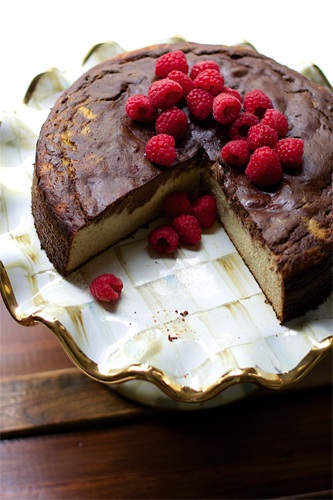
How to Use Raw Honey in Place of Sugar in Baking
Raw honey is one of the healthiest sweeteners readily available for use in baking. Honey is a much better choice than processed sugar. Granulated sugar made from cane sugar is actually is a natural product. However, most types of granulated sugars in the market go through a very refined processing method which strips out most of the natural nutrients. In addition, granulated sugar from sugar beets is more than likely from a GMO source. Therefore, you’re better off using raw honey, which is a whole food that in its natural state needs no further refining. And its healthier too! The information here will show you how to replace sugar in your baked goods with raw honey.
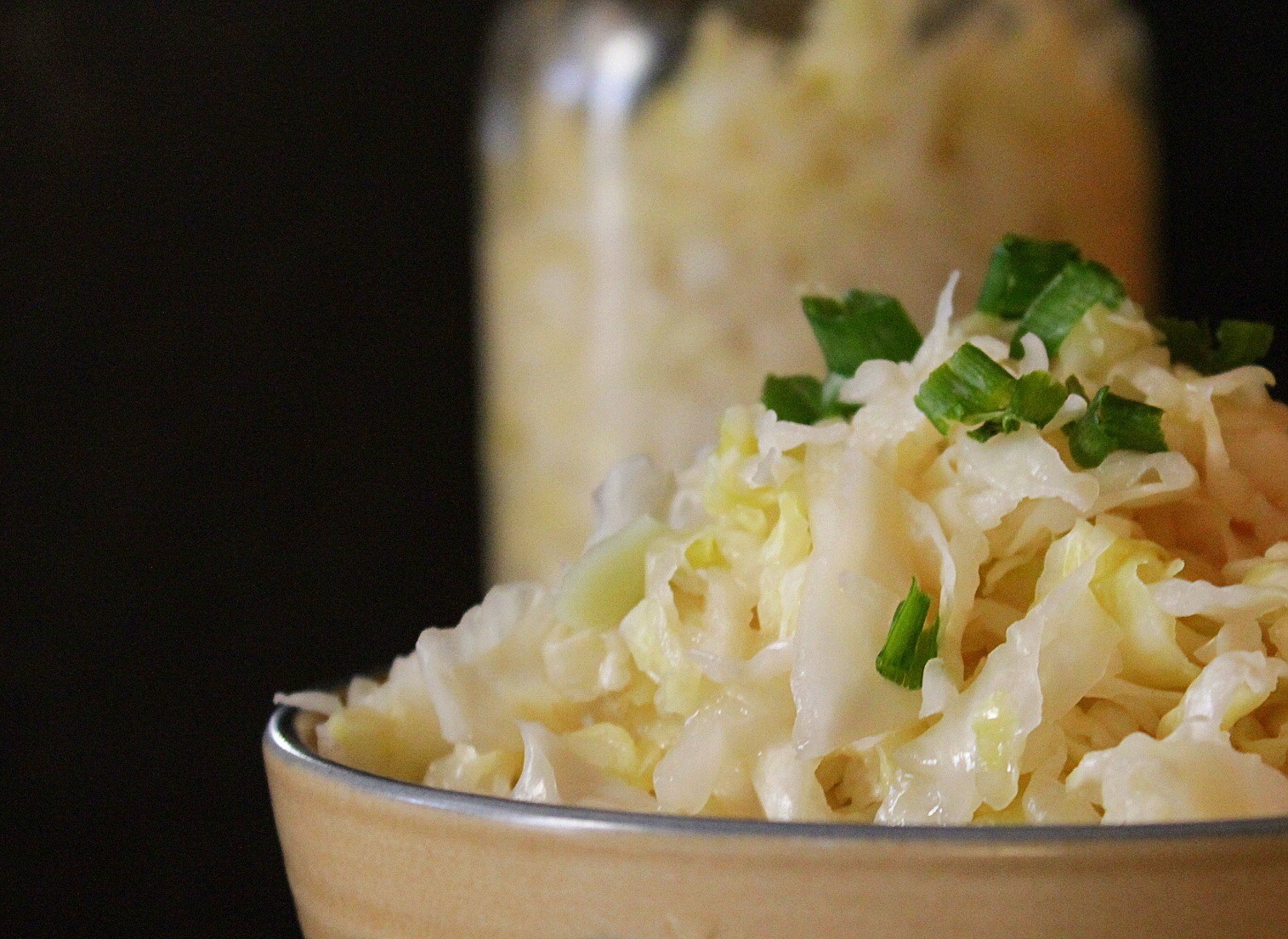
How to Make Your Own Sauerkraut
There are many ways to preserve food these days. Freezing is popular for its convenience. Canning is gaining resurgence, and rightfully so, for its place in a local and sustainable food economy. Drying fruits and vegetables continues to be a simple way to put food up, especially in hotter, drier climates. And then there is lactic acid fermentation, also known as lacto-fermentation. If you’ve ever had unpasteurized sauerkraut or true sour pickles, then you’ve eaten fermented vegetables. These are hard to come by, though, in their true raw form so it is helpful if you know how to make them at home. This article will show just how easy it is make your own raw sauerkraut at home with only 2 ingredients.
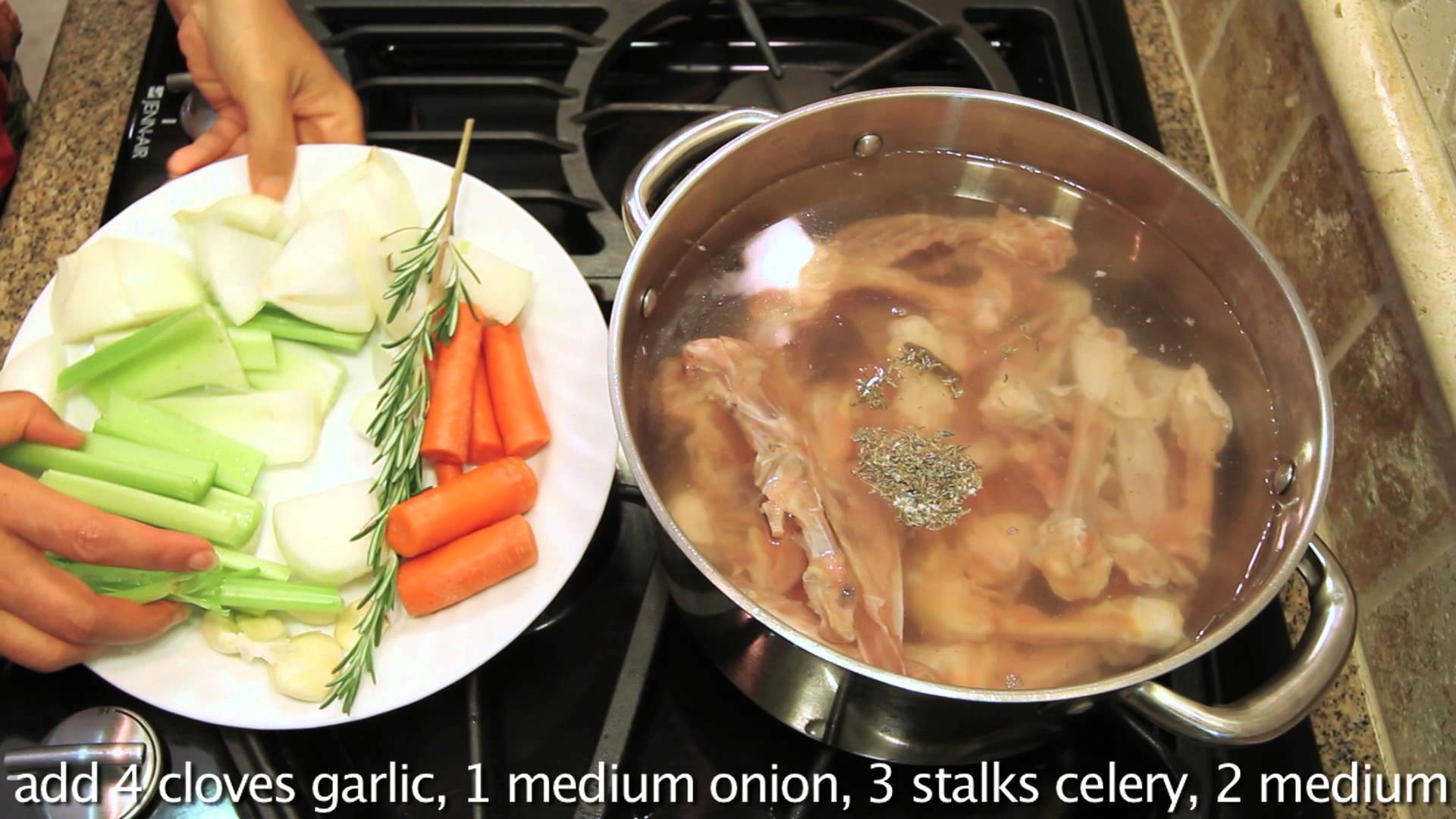
Bone Broth—THE Staple of a Gut Healing Diet
Eating a high-quality, nutrient-dense diet is one of the most powerful ways to maintain health and prevent disease. Your gut in particular needs proper nourishment in order to allow your health to really flourish. The Gut and Psychology Syndrome principles (GAPS diet) developed by Dr. Natasha Campbell-McBride is often used to treat children with autism and other disorders rooted in gut dysfunction, but just about anyone with allergies or less than optimal gut health can benefit from it, as it is designed to heal leaky gut.
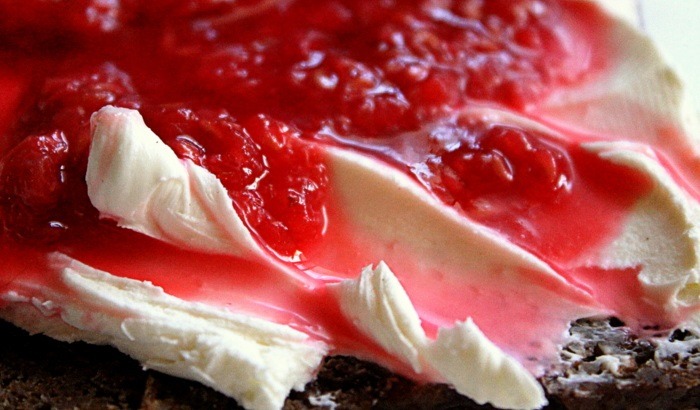
Making Your Own Fermented Berry Sauce
With summer winding down, we are often finding ourselves surrounded by fruits and vegetables that need to be used up. The farmer’s markets are overflowing and perhaps our own backyard is giving up its own abundance. There are many ways to preserve berries. Processing berries at home has a few distinct advantages. For one, you get to control the ingredients. Starting with organic berries is crucial and a huge improvement over most store-bought conventional jams and spreads. Beyond making jam from your organically-sourced fruit, fruit sauce is another option. We are familiar with applesauce which is made by cooking peeled apples down into a thick sauce-like consistency. This can then be canned and stored away for winter. This fermented fruit sauce is different from the familiar applesauce in that it is raw, never cooked, and imbued with a starter culture which adds enzymes and probiotics. So, the nutrients of the berries are left intact when they might otherwise be lost in the cooking process, and the naturally occurring bacteria, enzymes, and vitamins in the berries are allowed to proliferate through the fermentation process.
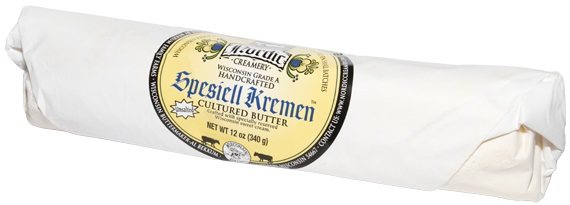
Grassfed Traditions Adds New Artisan Butters from Grass-fed Milk
Tropical Traditions announced two new lines of artisan butters crafted from the milk of grass-fed pastured cows in their GrassfedTraditions line of products. Allgäu pure German Butter is from family farms in the Allgäu region of Southern Germany. These families feed their cows only grass and grass hay. Using their local breed, the Allgäu brown cow, the herdsmen in the Allgäu mountain region safely guide the cows down from the mountains to spend the winters in their cozy barns, and are led back up to the Alps every spring. Nordic Creamery is family owned and operated making some of Wisconsin's finest gourmet, artisan butter from the milk of cows on pasture. Award-winning Cheesemaker and Buttermaker Al Bekkum and his family live on the Bekkum-Langaard Farmstead owned and operated by their family since immigration from Norway in 1917. The farm is located among other Norwegian settlers in Westby, Wisconsin within Vernon County's lush, green hills and valleys known as the Coulee Region. This un-glaciated land is recognized for its fertile soil and exceptional grazing land making their butter second to none. These butters are shipped in coolers to all 50 states.
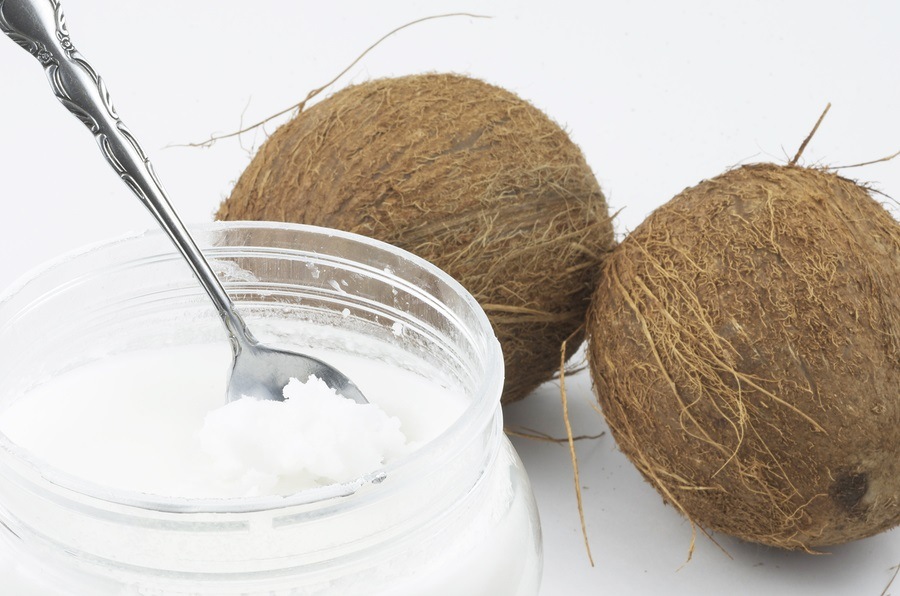
Study to Look at High Fat Diet’s Effect on Parkinson’s Patients
The National College of Natural Medicine in Portland Oregon is teaming up with a local hospital to study the effects of the low-carb high-fat ketogenic diet on Parkinson's patients. We have reported in the past how Parkinson's sufferers have experienced relief when consuming large amounts of coconut oil.

Is a Low-Carb Diet Ruining Your Health?
Chris Kresser is a practitioner of functional and integrative medicine and a licensed acupuncturist who blogs and is a very popular writer. A nutritionist on his staff, Laura Schoenfeld, caused quite a controversy recently with a blog post titled: Is a Low-Carb Diet Ruining Your Health? The low-carb "paleo" diet followers have reached a cult-like following in recent times, and it seems Schoenfeld had crossed a "holy" line in suggesting that not everyone does well on a low-carb diet. Many in the "paleo" diet crowd believe that carbohydrates have no place in human nutrition at all. Schoenfeld gave reasons from her own clinical practice as to why she feels not everyone does well on a low-carb diet, and listed several types of people that seem to do better with at least a moderate amount of carbohydrates in their diet. The article generated so many comments, that Kresser added his own blog post to the topic: 7 Things Everyone Should Know About Low-Carb Diets.
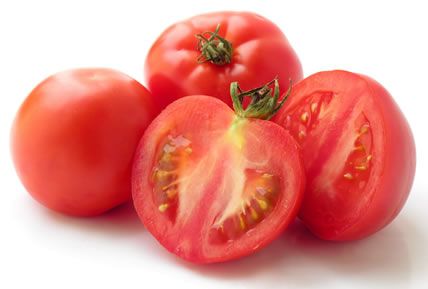
20 Amazing Health Benefits of Tomatoes That Should Make Them A Daily Staple In Your Diet
Just one serving a day of tomato-based foods can have an incredibly beneficial effect on your health. Not only can they reduce heart disease, but they could potentially prevent and reverse dozens of diseases if eaten daily. This is one fruit you don't want to leave out of your diet.
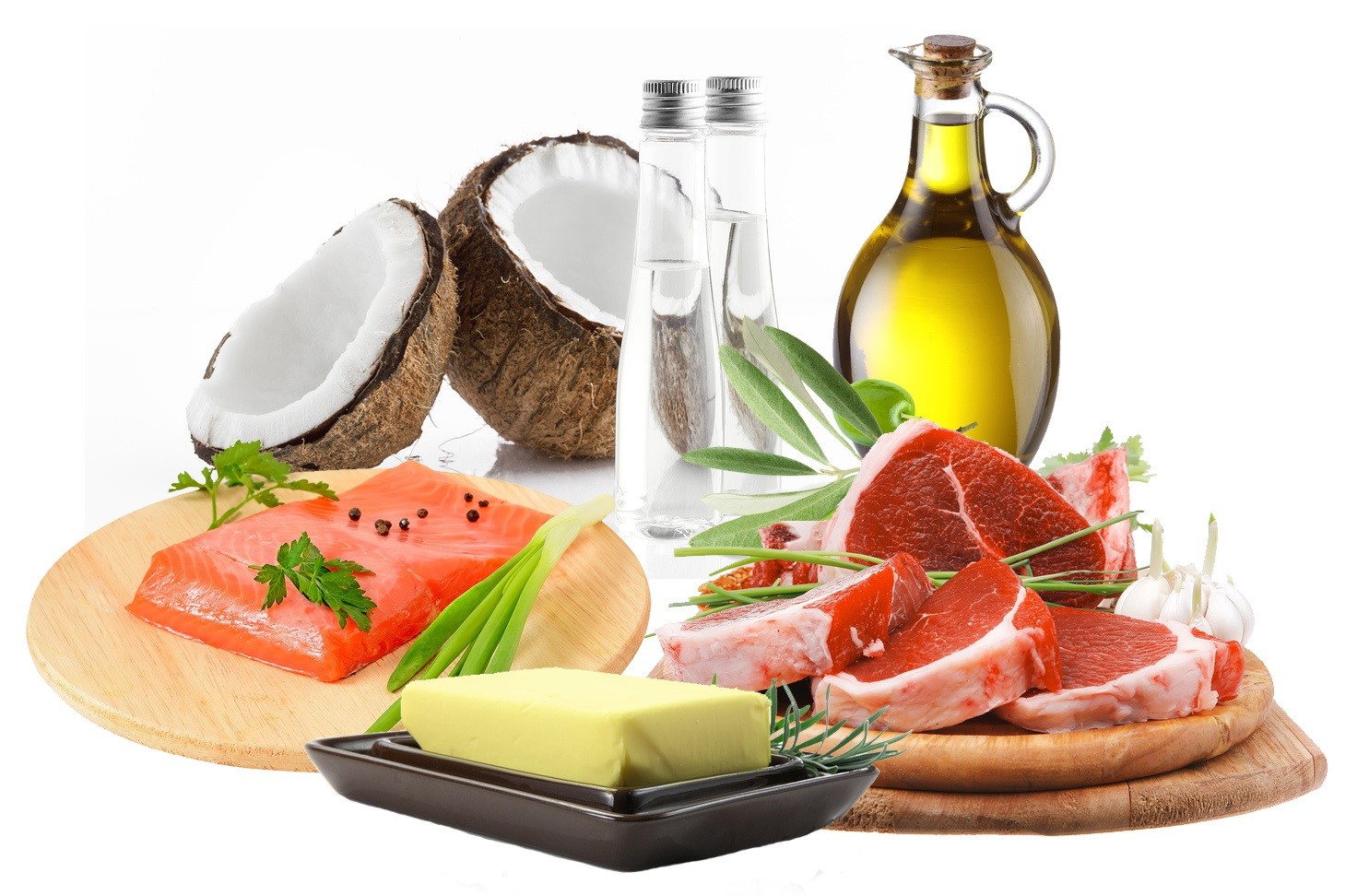
Therapeutic Use of the High-Fat Low-Carb Ketogenic Diet in Autism Spectrum Disorders
A new study published in Frontiers in Pediatrics has concluded that the high-fat low-carb ketogenic diet may improve mitochondrial function in Autism Spectrum Disorder (ASD). The ketogenic diet was originally developed at John Hopkins Hospital in the 1920s to treat children with epilepsy. The diet has proved successful over a long period of history of stopping seizures in children where drugs fail. The diet fell out of favor in recent years, due to the bias against saturated fats. However, with several meta-studies being published in recent years showing that there is no scientific basis of linking saturated fat consumption to heart disease, the ketogenic diet is being studied in many disease applications, including cancer, diabetes, and neurological diseases such as Alzheimer's, Parkinson's, and ALS. There have also been studies conducted and published regarding the ketogenic diet's effect on ASD. One study published last year (2013) in France showed a ketogenic diet improves multiple autistic behaviors.
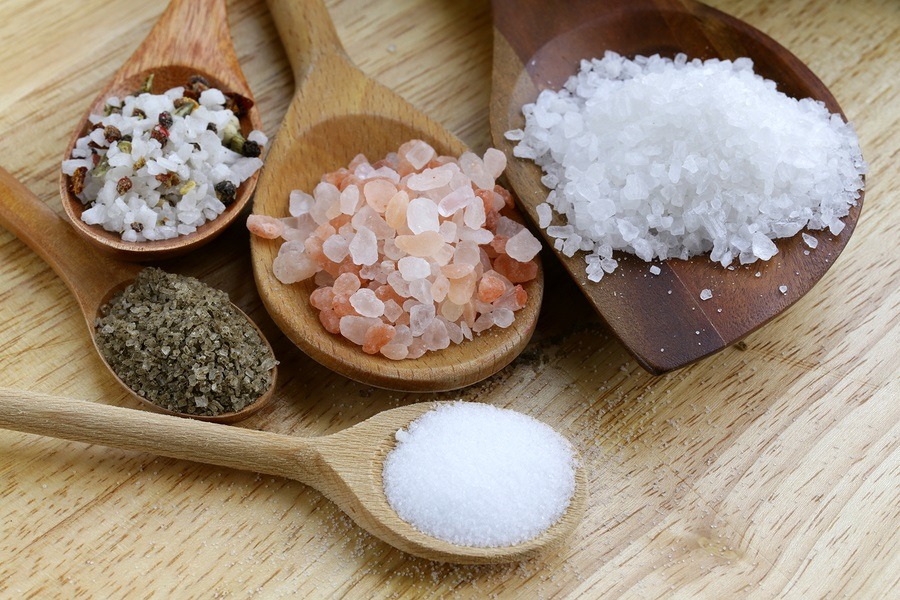
Study: Low Salt Intake Associated with High Death Rates
An article in the New England Journal of Medicine (August 14, 2014) studied the sodium levels in 101,945 persons from 17 countries. The scientists examined the association between sodium excretion and the outcome of death and major cardiovascular events. Sodium excretion correlates directly with sodium ingestion. This article is another in a long-line of salt articles debunking the myth that we need to lower our salt intake. I have tested thousands of patients for their salt levels. I can assure you that the vast majority of patients are low in salt.
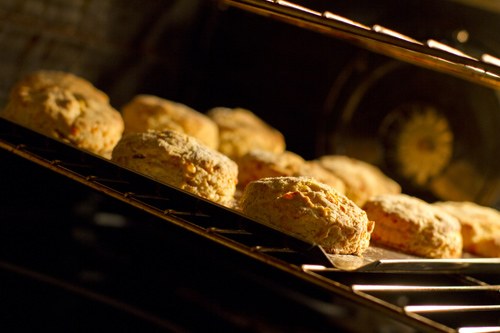
Baking with the Ancient Grain Einkorn
Einkorn is an ancient grain that is not yet commonly known in the western world, but used often in the Mediterranean region and in the mountainous areas of Europe. This grain is slightly finicky, completely delicious, good for you, has a slight yellowish tinge, and smells (and even looks) a little like corn flour. Because of einkorn’s lower gluten elasticity, the following baking tips will help you bake successfully with einkorn and avoid a lot of frustration.
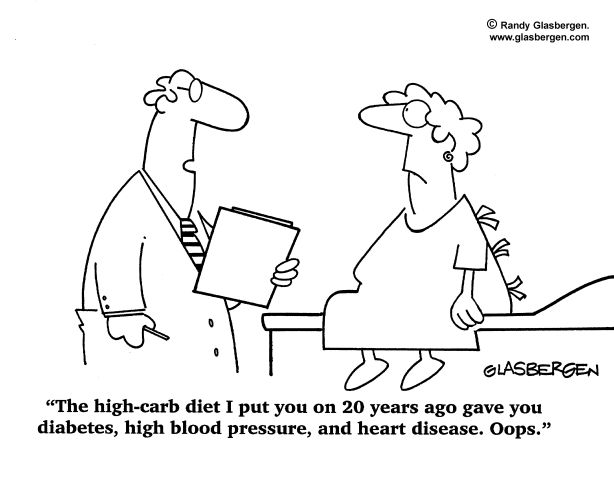
A Low Carbohydrate Diet Cures Diabetes
Diabetes is the great failure of the medical system. A generation of following the high-carb low-fat USDA approved food pyramid, along with Big Food's highly processed carbohydrate-rich products, have produced a national epidemic of obesity and diabetes. The medical system's answer to type 2 diabetes is drugs. These drugs, however, are highly toxic with serious side effects, and they don't work. A recent study that showed that insulin may actually accelerate death in type 2 diabetes, for example. Diabetes, however, is not a condition that is caused by a lack of drugs. Research clearly links type 2 diabetes (and now type 3 diabetes) to insulin resistance caused by excessive carbohydrates in the diet. This issue is finally starting to get more attention in the mainstream media, fortunately. In a recent article published in the journal Nutrition, the authors showed that there is continued success in using low-carbohydrate diets in the treatment of diabetes and metabolic syndrome.
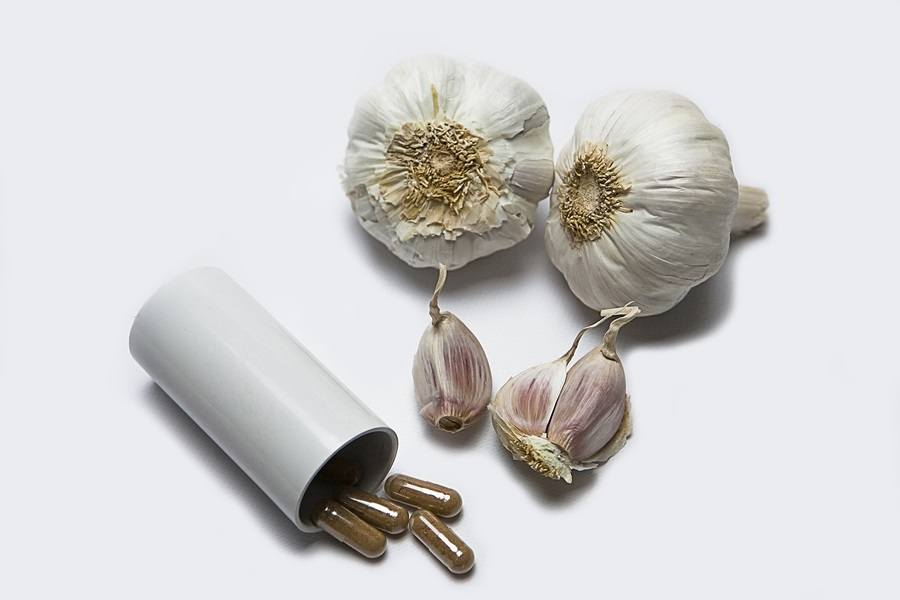
Food as Medicine: How One Hospital Is Using Organic Produce to Help Heal Patients
Recently, Rodale Institute, in partnership with the nearby St. Luke’s University Health Network, launched a true farm-to-hospital food program. The Anderson Campus at St. Luke’s has more than 300 acres of farmland, much of which had historically been farmed conventionally to raise crops like corn and soy. The hospital administration recognized the impact that providing fresh, local organic produce could have on patient health and approached Rodale Institute to transition the land to organic and farm vegetables to be used in patient meals and in the cafeteria.
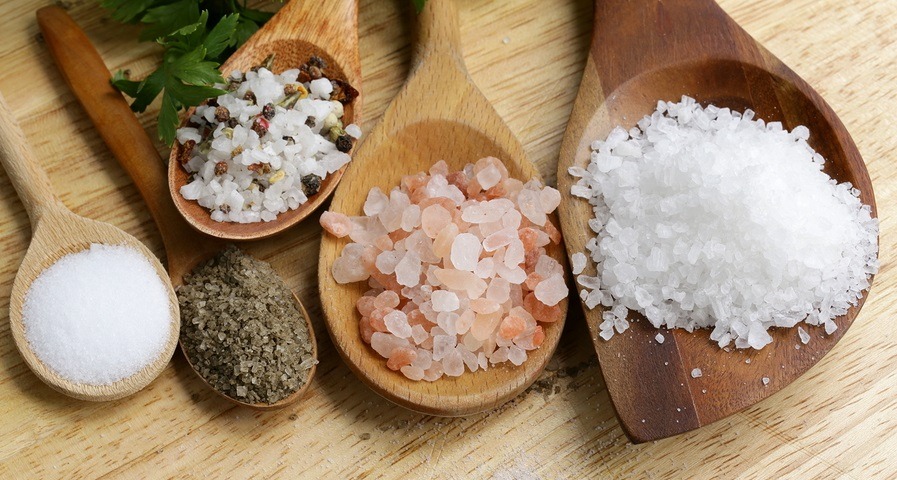
Salt is Good for You
One of the most pervasive and stupid things that we are currently told to do is to reduce salt intake. This advice has never been based on controlled clinical studies, ever. Yet, as with the cholesterol myth, the dogma that we should all reduce salt intake has become impervious to facts.